

New Jersey's Premier Hair Transplant Clinic
18+ years of FUE specialist experience
12+ months of post-procedure follow-up
Flexible payment plans available for hair restoration
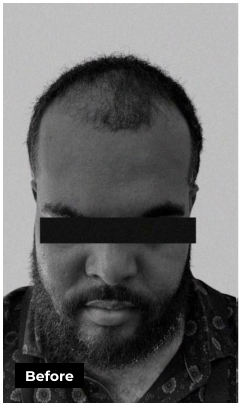
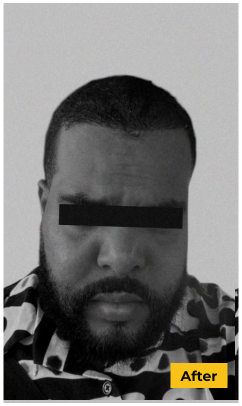
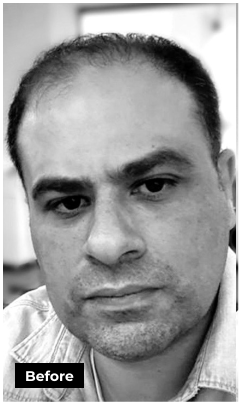
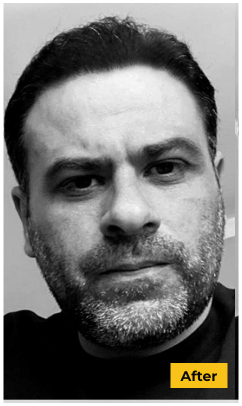
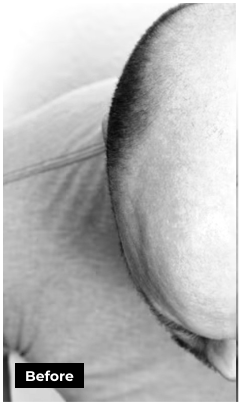
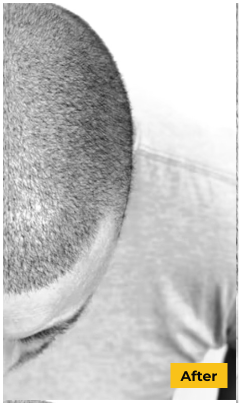
Patient Gallery
Real Patients. Real Photos.
Photos below are from real patients treated at our Cranford clinic in New Jersey. Results vary between individuals
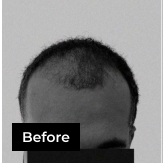
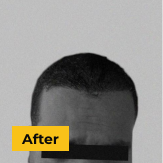
Stage
Receding
Treatment type
Hair transplant
Results shown
12 Months
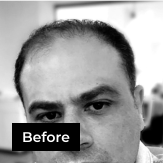
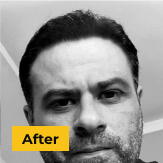
Stage
Receding
Treatment type
Hair transplant
Results shown
12 Months
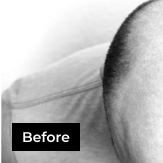
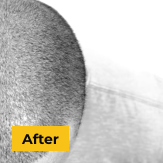
Stage
Receding
Treatment type
Hair transplant
Results shown
12 Months
Find Your Stage
Where Are You In Your
Hair Loss Journey?
Every stage calls for a different approach. Find the one that sounds like you — we'll confirm it and tailor your plan at your complimentary assessment.

Stage 01
Prevention
Early shedding or a little less volume. Non-surgical care can help protect the hair you still have.

Stage 02
Receding
Your temples are pulling back. FUE can restore the hairline, with support therapies to protect what remains.

Stage 03
Thinning
Thinning across the top or crown. A combined plan can add grafts and strengthen existing hair.

Stage 04
Post-Transplant
Already had a transplant? The right aftercare helps grafts settle and new growth come through.
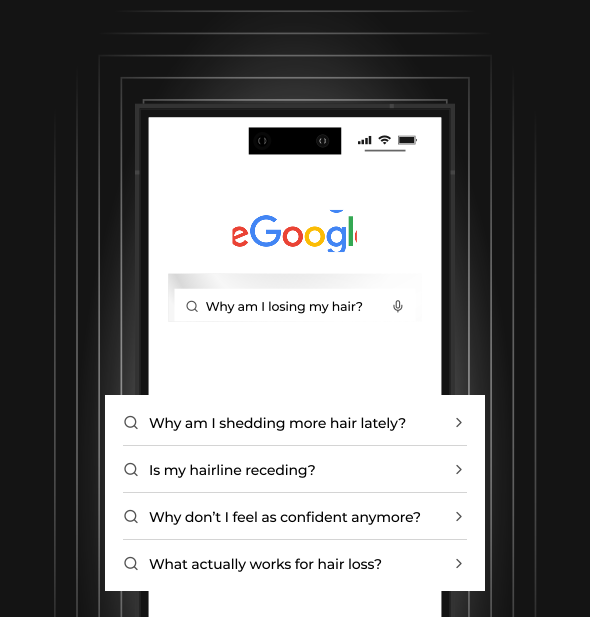
The Problem
Your Hair Shouldn’t Be a Misery
Most men have tried:
Countless shampoos
Various supplements
Treatments that never really deliver results
With The Hair NP, you will join 3,000+ men and women in restoring their hair.
How It Works
Your Hair Restoration in
3 Steps

1
Book Consultation
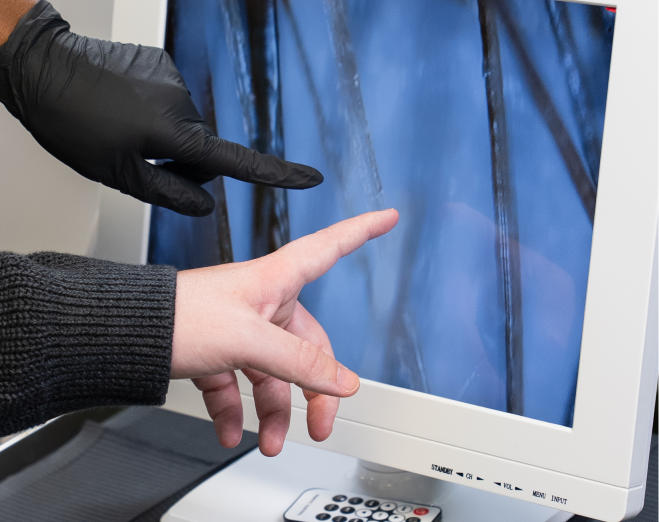
A free in-person or virtual consultation. We assess your hair loss pattern, donor density, and goals, then walk you through your treatment plan and exact graft count.
2
Your FUE Procedure
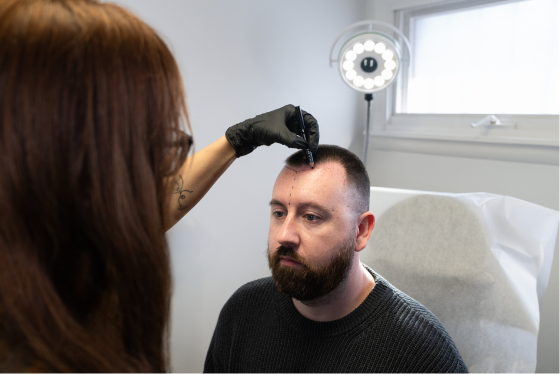
A single-day FUE (Follicular Unit Extraction) procedure using AuraGraft™ — performed by our 18-year FUE specialist.
3
Recovery & Regrowth
Many patients begin to see signs of new hair around months 3–6. By 10–12 months, the procedure reaches its final outcome. Our team supports you through every check-in and follow-up.
Your Specialist
Meet Your Hair Restoration Specialist
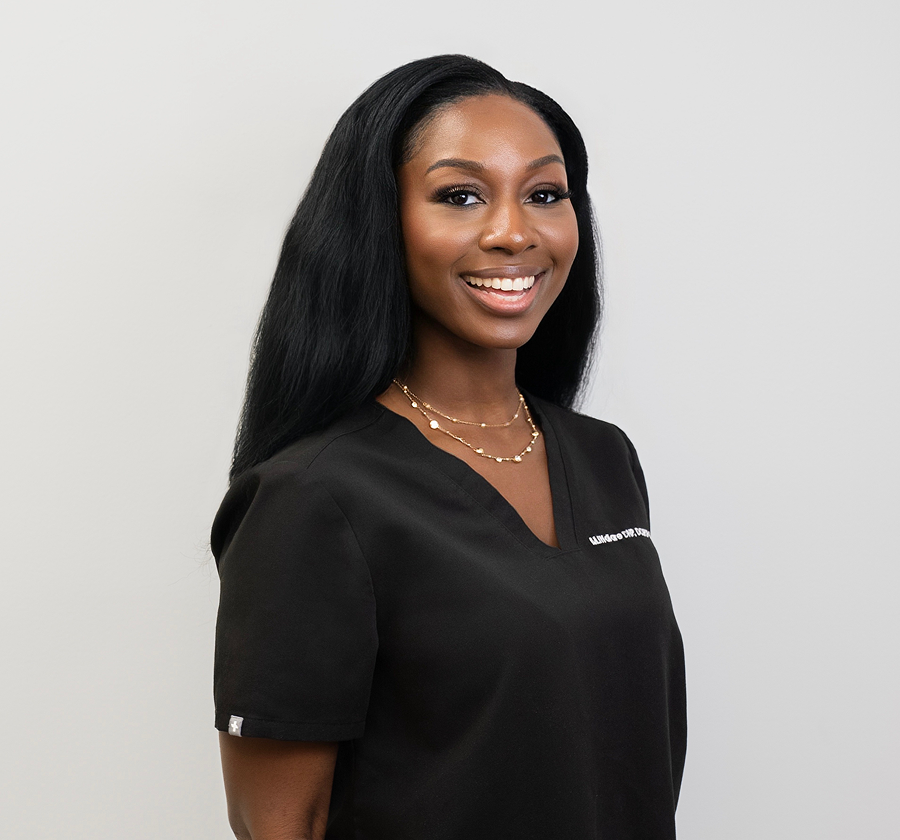
Michelle Itidiare,
DNP, DCNP
Hair Restoration Specialist · The Hair NP
2 Board Certs: Family Medicine & Dermatology
Certified by the American Society of Aesthetic and Hair Restoration Surgery (ASAHRS)
Advanced FUE & DHI training in Beverly Hills and Turkey
2
board certifications (FNP & Dermatology)
1 of 3
NPs in New Jersey board certified in dermatology
The Journey
What to Expect from Your Hair Transplant
Here’s a general overview of how your recovery and regrowth will progress.
Timelines are based on clinical observation — individual outcomes vary.
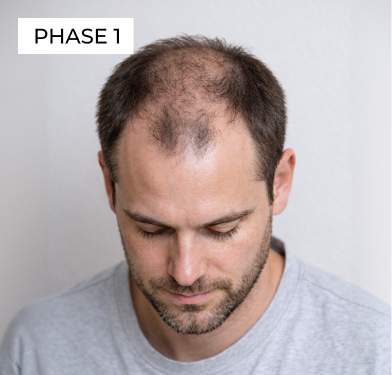
Before your procedure
Consultation & Planning
Meet our team to assess your hair loss pattern, donor density, and goals
Receive a custom restoration plan designed around your hairline and face
Review procedure details, recovery timeline, and aftercare expectations
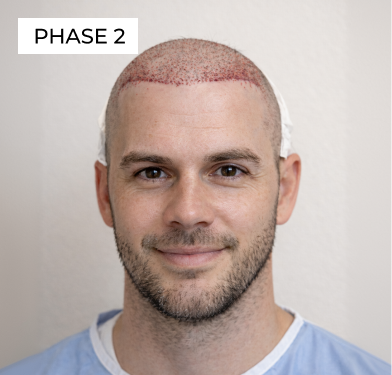
Day 1
Procedure Day
Arrive at our Cranford clinic for your outpatient procedure
Local anesthesia is administered before the procedure begins
Go home the same day — no hospital stay required
You’ll be home the same day
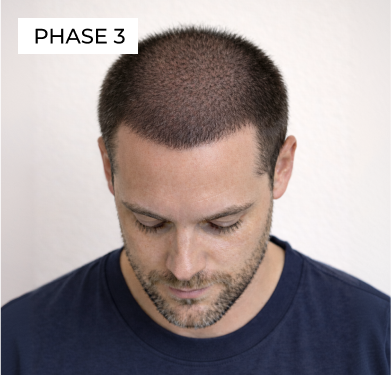
0–6 months
Recovery
Mild tenderness in the first few days typically resolves within a week
Many patients return to desk-based activity within 3–5 days
Many patients begin to see signs of new hair around months 3–6
Our team checks in throughout your recovery

10–12 months
Final Outcome Assessment
The transplant typically reaches its assessed final outcome between 10–14 months
Hair typically continues to thicken, mature and gain texture
Follow-up reviews continue with the medical team
Long-term outcomes vary based on individual biology, ongoing hair loss in non-transplanted areas, and adherence to aftercare guidance.
Hair transplantation does not stop ongoing hair loss in untreated areas.
Find Us
Personalized Hair Restoration in New Jersey
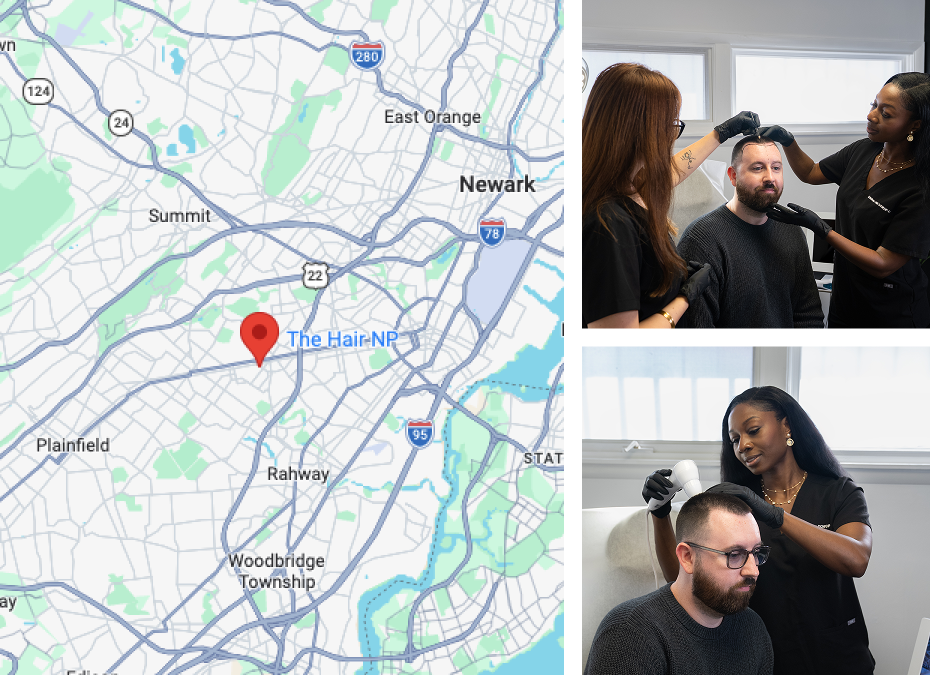
Located in Cranford, New Jersey. Every consultation is one-on-one with our medical team, built to evaluate your candidacy and answer your questions before any commitment.
Compare Your Options
Why patients choose The Hair NP
Overseas / Chain Clinics
Transplant Team
Device
Location
Pricing (during promo)
Aftercare
18+ years performing FUE
MicroPunch Precision
Cranford, New Jersey
$5,000 (During Promotional Period)
In-clinic follow-ups
Overseas / Chain Clinics
Less experienced staff . No medical professionals
Often using large punch size leaving visible scarring in donor area
Often international - travel + recovery risk
Often quoted per graft
Often little to no follow up
Hair Restoration in New Jersey

Patient Gallery
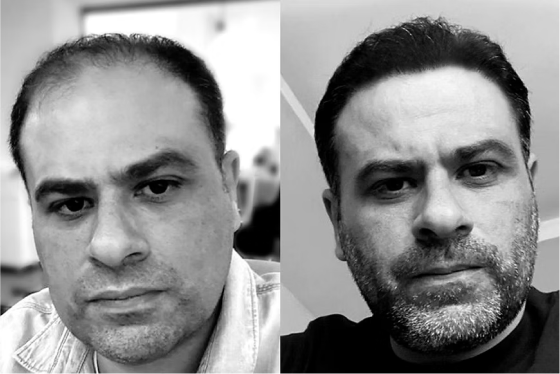
Patients We've Worked With
Thinning at hairline
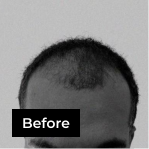
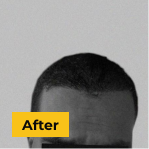
Procedure
FUE
Photo Taken
12 Month Past-Procedure
Thinning at hairline
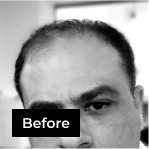

Procedure
FUE
Photo Taken
12 Month Past-Procedure
Thinning at hairline
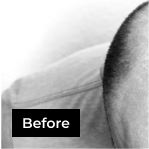
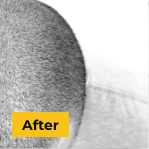
Procedure
FUE
Photo Taken
12 Month Past-Procedure
Photos shared with patient consent. Unretouched, with consistent lighting and positioning before and after. Hair restoration procedures carry surgical risk and recovery time. Individual outcomes vary based on hair loss pattern, donor density, age, aftercare adherence, and other factors. Procedure type and timing noted on each photo; some patients required multiple sessions.
Meet the Team
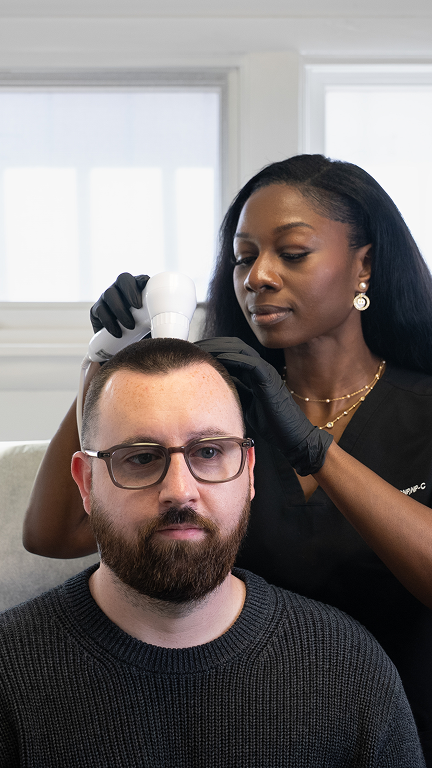
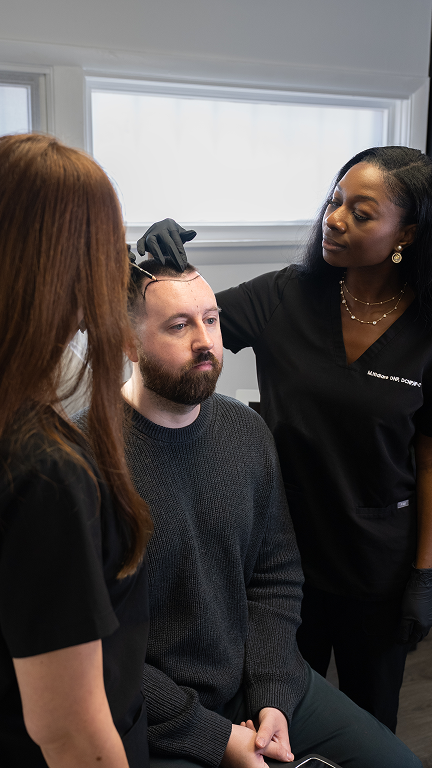
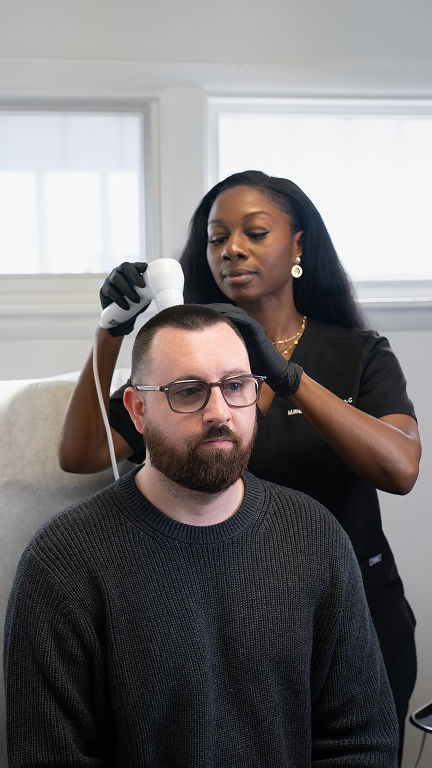
An Overview of the People and Process in Our Clinic


What's Included
Everything You Need.
Nothing You Don’t.

Advanced FUE Hair Transplant
The gold standard in hair restoration. Individual follicles are placed with precision for natural-looking density. Minimally invasive. No linear scar.

Custom Graft Count
Enough to restore the hairline, crown, or temples in one session. A cost-effective way to achieve permanent results.

Costum Hairline Design
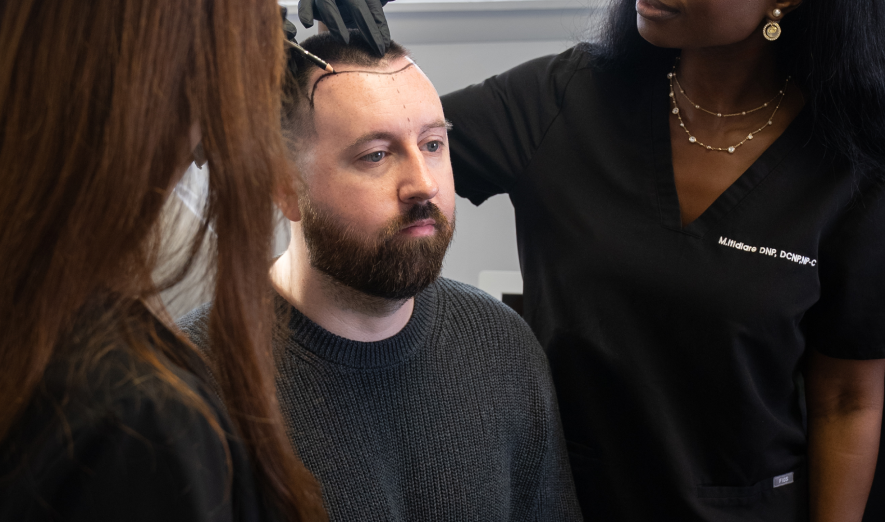
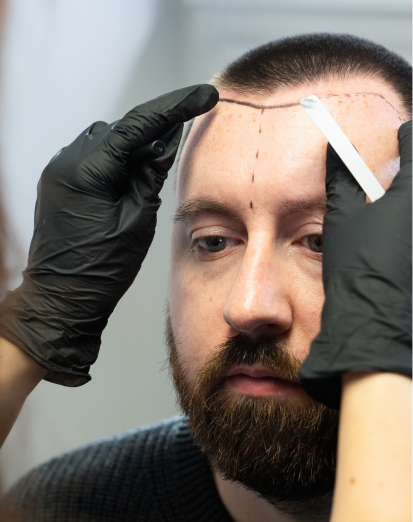
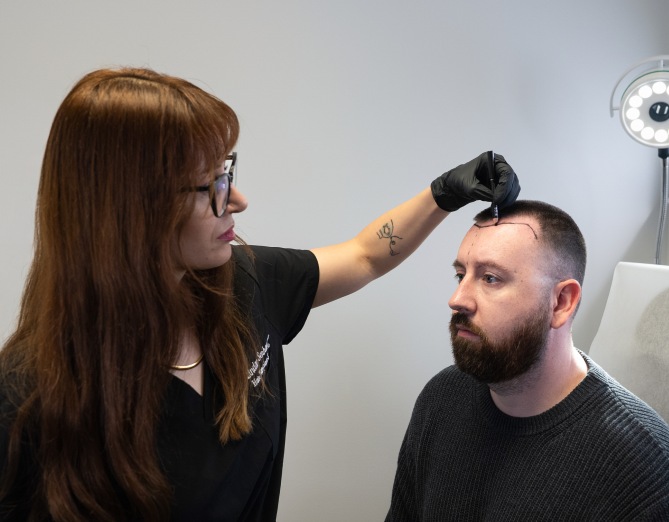
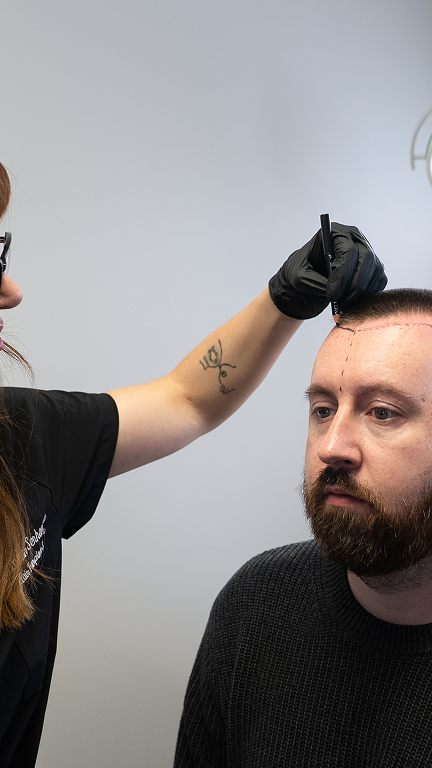
Every Hairline is designed in person, matched to your face shape, age, and natural hair pattern

Personalized Aftercare Plan
Ongoing support and follow-ups to monitor progress and help ensure optimal results over the first 12 months.

Flexible Financing Options
Start your treatment now and pay over time with convenient monthly payment options.
See If You're a Good Candidate
Book your free consultation today. In-person or virtual.
An honest assessment of what's possible for you.
Find Us
Ready to explore your options?
If you’re considering hair restoration, you can book a 15-minute phone call with a trained The Hair NP consultant. We’ll walk you through the process and answer your general questions.
We take your privacy seriously. Your information is used only to contact you about your care and is never sold.
FAQ
Everything You Need to Know About Hair Transplants
How soon will I see results from an FUE hair transplant?
After your FUE procedure, transplanted hairs typically shed within the first few weeks—a completely normal part of the process. New growth usually begins around 3–4 months, with noticeable improvements by 6 months. Full results take about 9–12 months as the hair thickens and matures. Patience is key, but the outcome is permanent, natural hair that grows like your own. Many patients describe the transformation as subtle to others but life-changing for themselves.
What is the recovery process like after FUE?
FUE is minimally invasive, so most patients go home the same day and recover comfortably. You can expect some redness, tenderness and small scabs around the treated areas during the first week or two, which gradually fade. You’ll leave with post-operative medications and clear recovery guidance, and you’ll return for two supervised hair washes, typically on days 3 and 10. Our team stays in touch throughout, so you always know what’s normal and what to expect next.
Will there be visible scarring?
FUE doesn’t leave the long linear scar associated with older strip methods. Instead, individual follicles are extracted one at a time, leaving tiny marks in the donor area that heal quickly. Once healed, these are typically very difficult to notice, especially once your hair grows back. If you prefer to keep your hair very short, we’ll talk through what to expect for your donor area during your consultation.
How permanent are the results?
Transplanted hair is taken from the donor area at the back and sides of the scalp, which is naturally more resistant to hair loss. Once established, these follicles typically continue growing for life. Keep in mind that your existing, non-transplanted hair may continue to thin over time. That’s why we plan your hairline with the future in mind, and discuss options to help protect the hair you have.
What aftercare is required following FUE?
Aftercare is simple but important for the best results. In the first days, you’ll keep the area clean, avoid touching or scratching the grafts, and sleep with your head slightly elevated. Strenuous exercise, direct sun and swimming should be paused for a short period. Your package includes post-operative medications, written recovery instructions and two supervised hair washes, so our team guides you through the most important early stages in person.
How natural will my hairline look after a transplant?
Every hairline is designed individually. We look at your facial structure, age, existing hair and goals, rather than using the same design for every patient. Grafts are placed at angles and densities that mimic natural growth, with a softer, irregular front edge so the result doesn’t look “drawn on.” You’ll see and discuss your proposed hairline with Michelle and our hair transplant specialist before your procedure.
What is recovery like for men after a transplant?
Most men return to desk work and normal daily routines within a few days, depending on how they feel and the visibility of the treated area. A buzz cut is part of our current FUE approach, so the short hair helps the healing areas blend in quickly. Heavier gym training, contact sports and wearing tight hats should wait until your care team gives you the go-ahead. We’ll give you a clear plan based on your procedure.
How soon can I cut or style my hair?
Because your head is buzzed before the procedure, there’s no styling to worry about early on. Once the scalp has fully healed, usually after the first few weeks, gentle haircuts are generally fine. Avoid clippers directly on the grafted area, hair dyes and heat styling until your care team confirms it’s safe. As new growth comes in over the following months, you’ll gradually be able to wear and style your hair as you like.
Are results permanent for men?
Yes. For most men, transplanted hair comes from areas that are genetically resistant to male pattern baldness, so it continues to grow long term. However, male pattern hair loss can progress in the hair around the transplant. A good plan accounts for this. We design a realistic, age-appropriate hairline that will still look natural years from now, and we can discuss nonsurgical options that may help slow further loss.
What aftercare is important for male patients?
For men, the biggest factors are protecting the grafts and the long-term plan. In the short term, avoid hats that press on the grafts, intense workouts and sun exposure until cleared. Follow your medication schedule and attend both supervised washes. Long term, ask about nonsurgical hair loss management, such as medication or red-light therapy where clinically appropriate, to help maintain your native hair alongside your transplant.

Mon–Sat
9:00 AM – 5:00 PM EST


Quick links
Contact
Contact
45 South Ave West Suite 102, Cranford, NJ 07016
Content on this site is for informational purposes only and does not constitute medical advice. Patient results, testimonials, and photos reflect individual experiences and are not a guarantee of outcomes. Individual outcomes vary based on hair loss pattern, donor density, age, aftercare, and other factors. Hair restoration procedures carry surgical risk and require recovery time.
© 2026 The Hair NP. All rights reserved.